
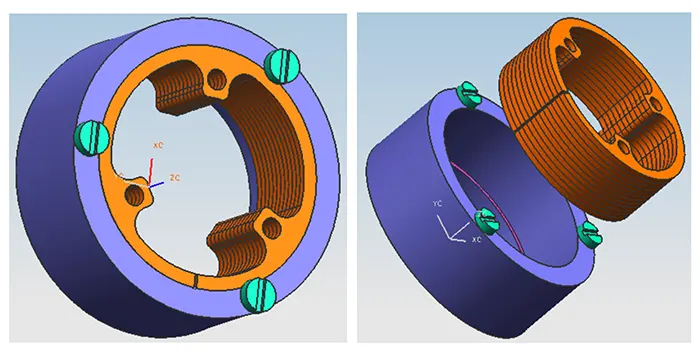
Optimization of Machining Processes for Thin-Walled Elastic Sealing Rings Made of QAl10-4-4 Aluminum
Material QAl10-4-4 is a copper-based alloy with aluminum as the primary alloying element, classified as a high-strength heat-resistant bronze.
Material QAl10-4-4 is a copper-based alloy with aluminum as the primary alloying element, classified as a high-strength heat-resistant bronze.
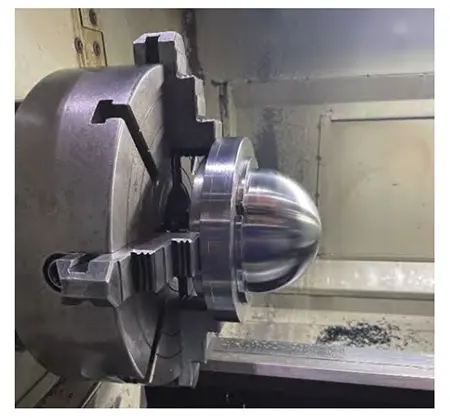
Titanium alloys, with their outstanding properties such as high strength, low density, excellent corrosion resistance, and superior heat resistance, have been widely applied in aerospace, shipbuilding, heavy industry, and defense sectors.
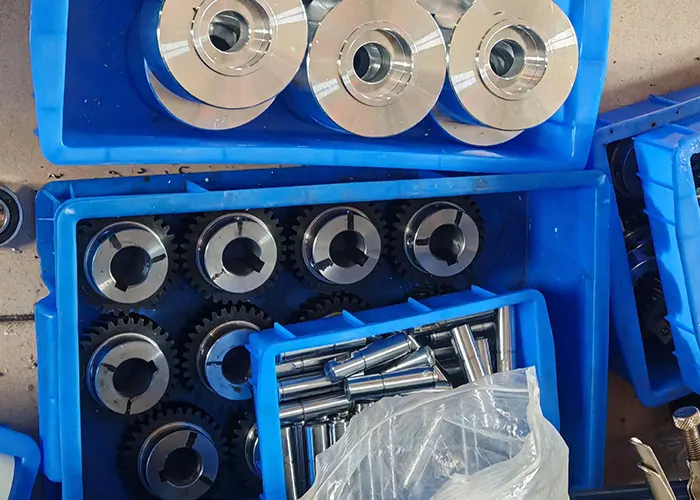
With the rapid advancement of digital manufacturing technologies, CNC (Computer Numerical Control) systems have become a core driving force behind the transformation of intelligent furniture manufacturing.
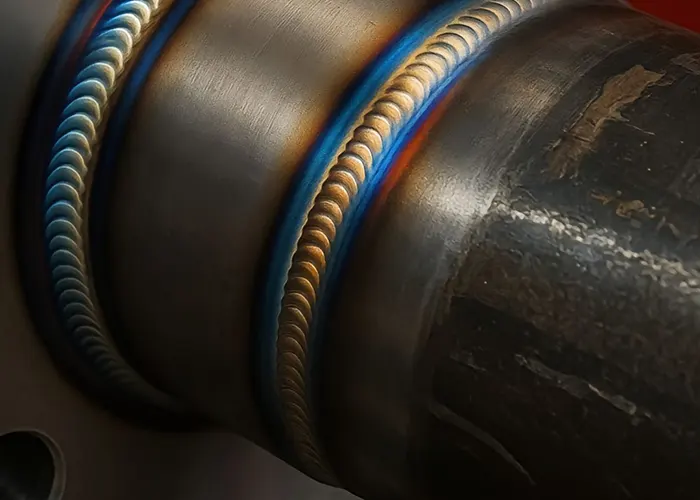
With the continuous development of the global economy and the growing demand for environmental protection, welding technology has become increasingly crucial in the automotive manufacturing sector.
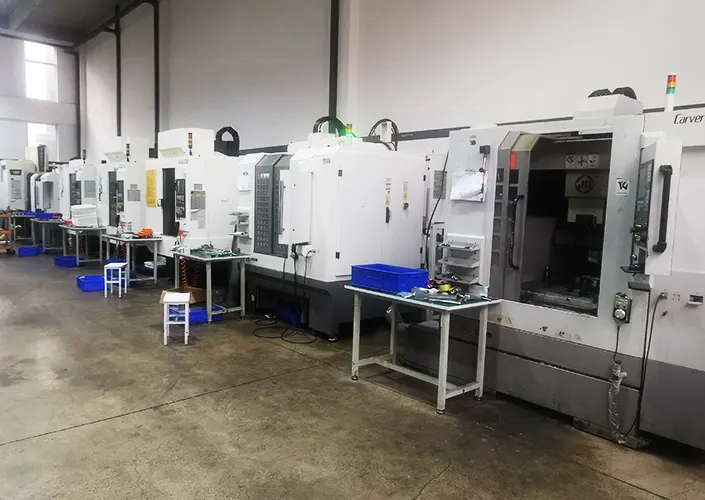
In recent years, with the deep integration of information technology and manufacturing, smart manufacturing technology has emerged, bringing revolutionary changes to the field of mechanical manufacturing.
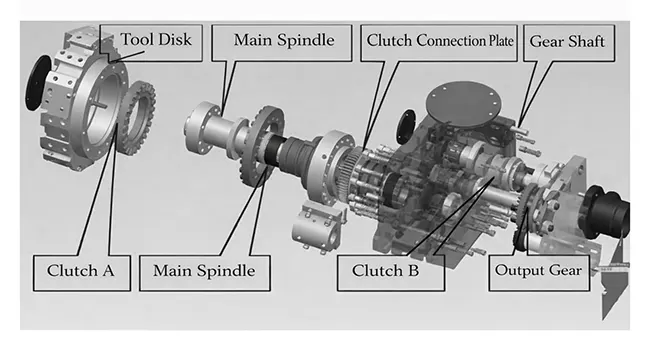
CNC lathes are highly integrated opto-mechatronic devices comprising fundamental components such as the bed, base, worktable, and spindle housing, along with core functional modules including the spindle unit, ball screw, and tool turret.
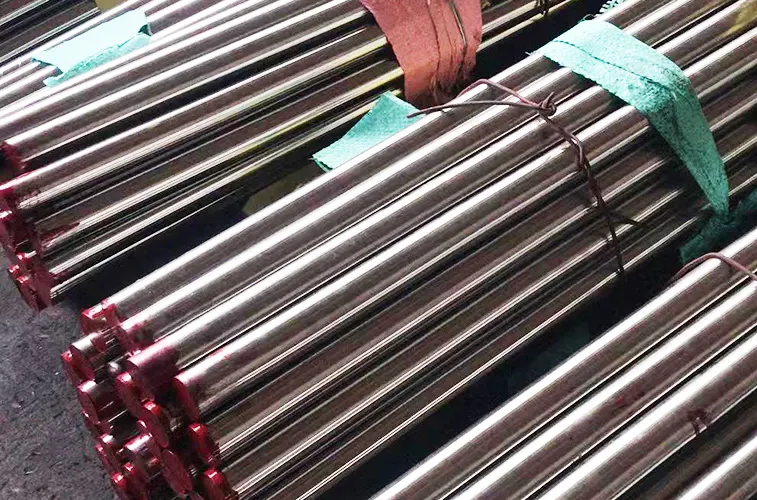
High-speed steel (HSS) exhibits outstanding thermal hardness and wear resistance. Its microstructure features abundant carbides distributed within a tempered martensitic matrix, endowing it with exceptional surface hardness, wear resistance, and fatigue crack resistance at both room and elevated temperatures.
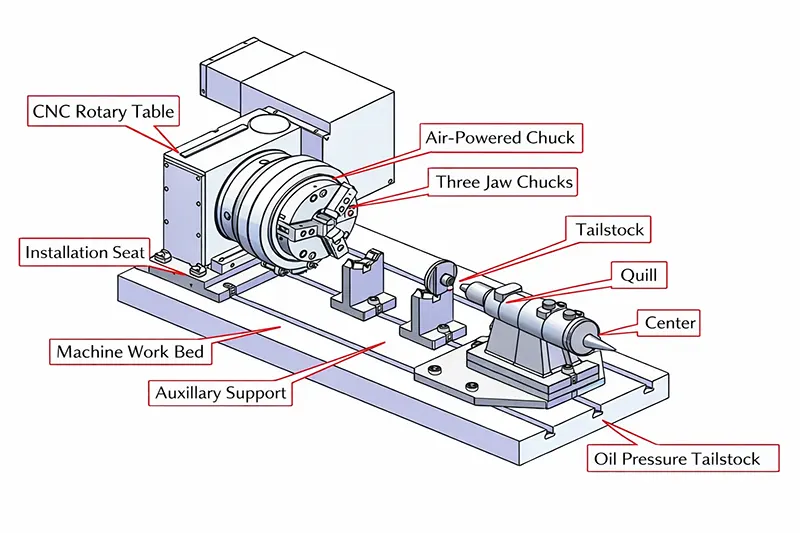
Traditional machining processes for cylindrical components typically involve two approaches.
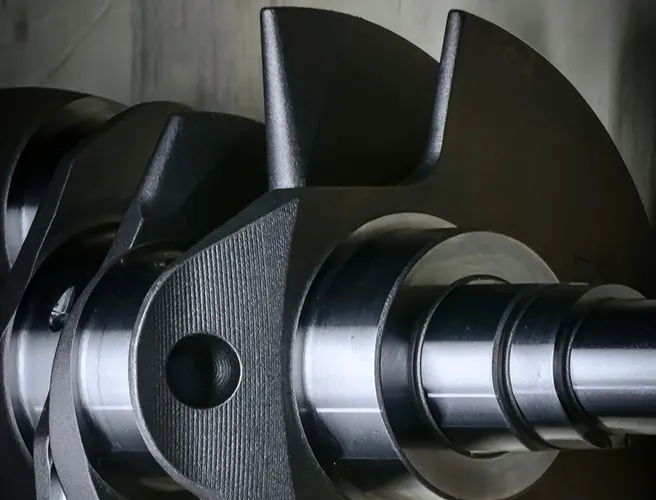
Five-axis turning-milling integrates turning, milling, drilling, and boring into a single setup, enabling high-precision, high-efficiency machining of complex
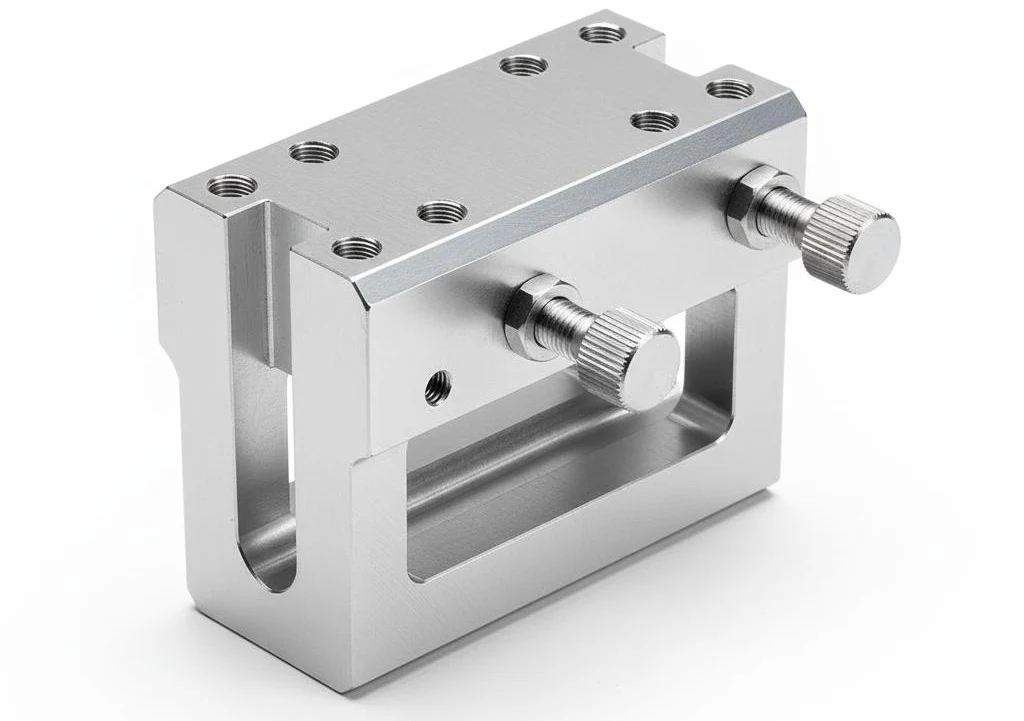
Comprehensive Guide to Aluminum Surface Treatment Processes: Unleashing Technology and Artistry in Metal