Adaptive Feed Control Technology for CNC Machining of Complex Parts
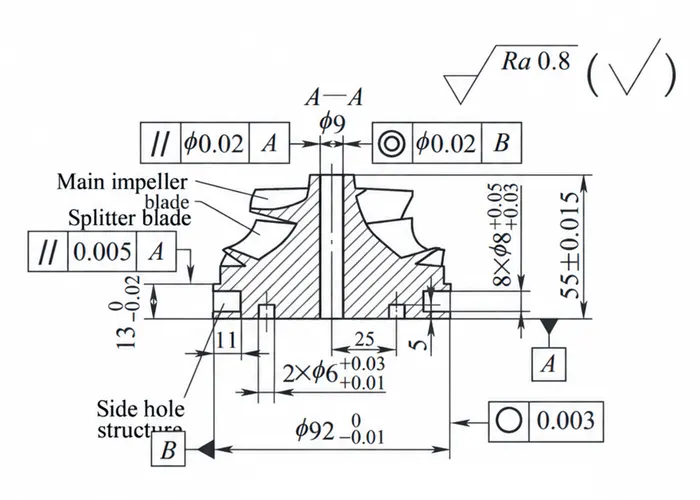
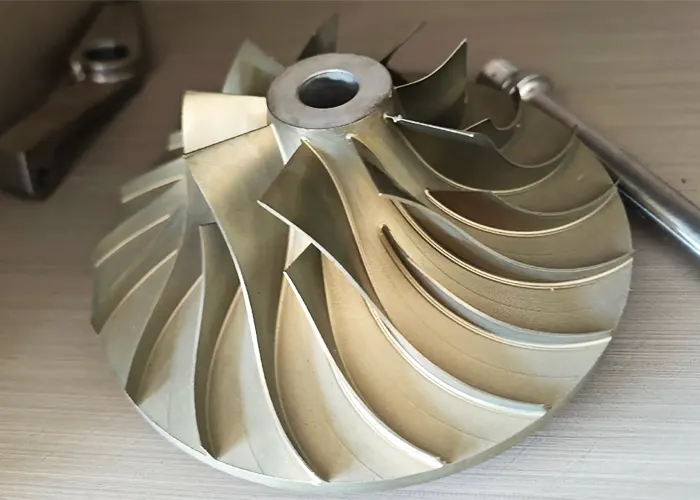
In fields such as aerospace and precision tooling, the demands for machining accuracy of complex components are becoming increasingly stringent.
In the field of modern automotive manufacturing, precision control is a key indicator of manufacturing quality.
As high-end manufacturing undergoes a transformation toward greater precision, efficiency, and intelligence, precision mechanical parts are being increasingly widely applied in sectors such as the automotive and aerospace industries.
The positioning of a product within a fixture is achieved through contact or engagement between the product’s locating reference surfaces and the working surfaces of the fixture’s locating elements.
Taking a large-diameter, thin-walled stainless steel vessel from a specific project as an example, this article briefly outlines the effective measures implemented during the manufacturing process,
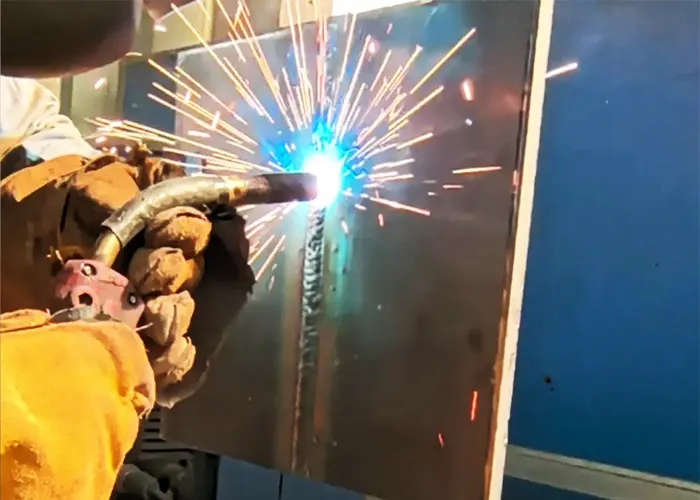
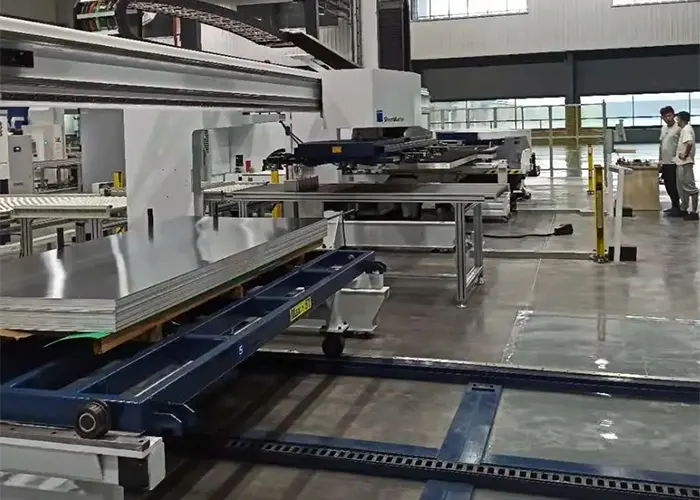
In the field of sheet metal fabrication, while automated equipment (such as CNC punch presses and laser cutters) has become widespread, manual fabrication still plays a significant role.
As a lightweight alloy, titanium alloys are widely used in the aerospace industry. Characterized by high strength, corrosion resistance, and excellent thermal properties, they are extensively employed in core aircraft components such as ribs, frames, and beams.
Valve bodies are the core control components in fluid systems, primarily used to regulate the direction, pressure, and flow rate of fluids.
Automotive components form the foundation of a vehicle, and their machining quality directly impacts the vehicle’s safety, reliability, and service life.
The nose cone is a critical component of a missile’s warhead, and its characteristics are crucial to the warhead’s performance and destructive capability.